Easter Sunday falls on April 5th this year — and if you’ve been in the restaurant business in Hawaiʻi for any length of time, you already know what that means. Sunrise service crowds, ʻohana flying in from the mainland, resort brunches that book up weeks out. It’s one of the biggest dining days of the year, and the operators who plan ahead are the ones who capitalize on it.
Here’s what the data is telling us heading into 2026 — and how you can use it to your advantage.
The Signs Point to a Strong Easter
Easter spending bounced back to $23.6 billion in 2025 after dipping the year before — and that recovery happened while consumers were actively cutting back on everyday dining. That’s the key distinction. When budgets get tight, people don’t stop going out altogether — they get more intentional about it. They skip the Tuesday night takeout and save it for the moments that matter. Easter is one of those moments. It’s a holiday built around gathering, sitting down together, and making it feel special — and that’s exactly the kind of occasion that holds up even when wallets are tighter. Full-service restaurants led transaction growth in 2025 despite broader economic headwinds, and Easter is as full-service as it gets.
Understanding the 2026 Diner
And when guests do walk through your door on Easter, they’re arriving with intention. More than half of Americans say dining out now feels like a special treat rather than a routine — which means they’re primed to invest in the experience. That raises the bar, but it also raises the opportunity.
Where it gets nuanced is seafood. Research shows seafood ranks among the top cuisines diners say they’d cut spending on when budgets are tight. That doesn’t mean pulling it from your menu — it means frame it intentionally. Position your ʻahi, crab, and sashimi offerings as the experience they are, not just the ingredient. When you justify the splurge, guests are willing to make it.
The other thing the data confirms: most diners who cut back do it within their restaurant of choice — fewer items, a less expensive option — rather than switching to a cheaper place altogether. Loyalty and perceived value matter more than ever.
Know Your Table
Easter draws every generation to the table at once. Gen Z is treating sit-down dining as a social event. Millennials — especially higher-income ones — are your most resilient spenders right now. And don’t overlook the older guests: high-income boomers are holding steady at full-service, and they’re often the ones hosting the whole family.
The experiential angle matters, too. A keiki egg hunt, live music, a themed cocktail — these aren’t just atmosphere. Diners are measurably more likely to visit and more willing to spend when a restaurant is doing something special. It also gives people something to share, which extends your reach beyond the table.
Play to Your Strengths
This is where Hawaiʻi operators have a real edge. Your Easter menu already does what the NRA says diners want most in 2026 — bold, transportive flavors, global comfort food with local identity. You’re not forcing a fusion concept. You’re just doing what you do.
Lean into it. The rosemary and Hawaiian salt-crusted prime rib. The kalua Benedict. The lilikoi dessert that guests can’t get anywhere else on the mainland. That’s your differentiation, and it’s genuine.
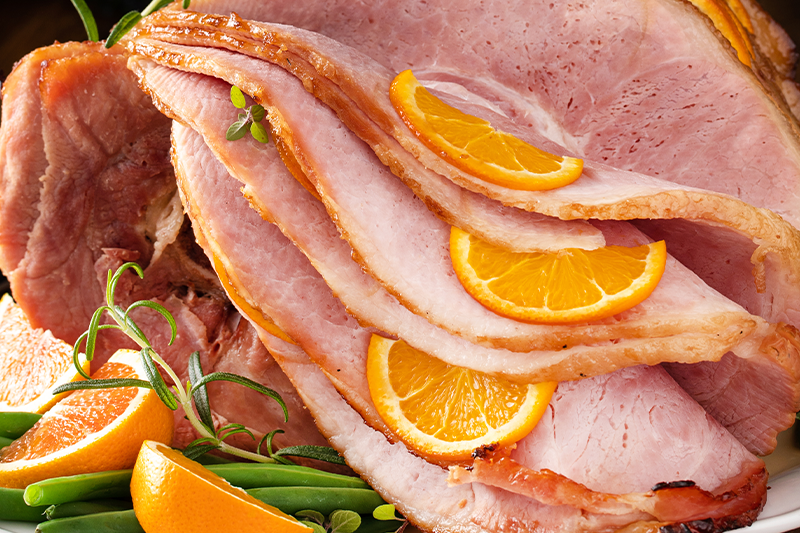
Menu Inspo to Build From
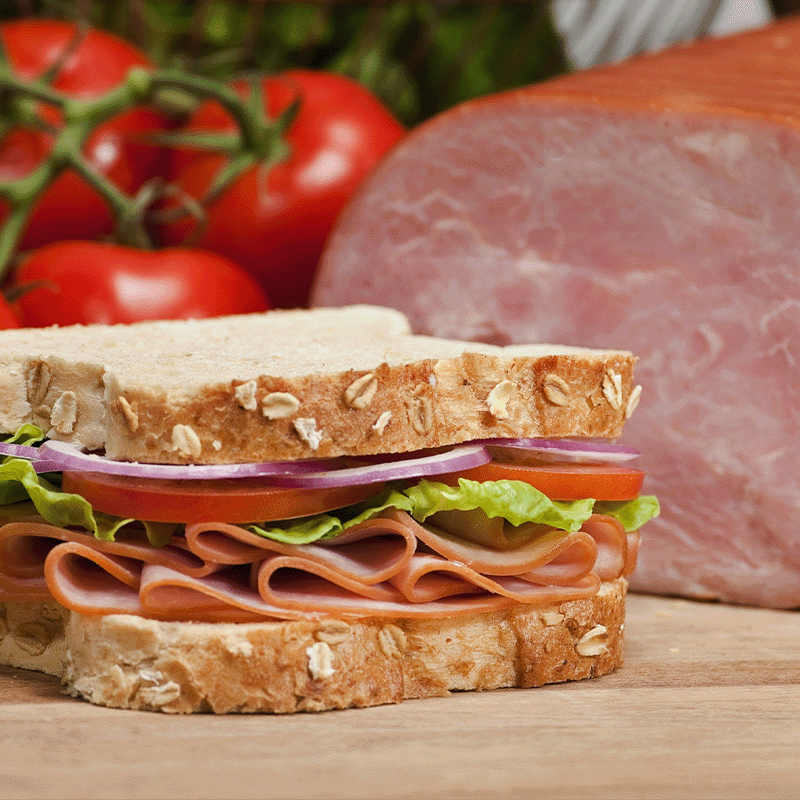
Center of Plate: Lilikoi-glazed ham | Kalua-style lamb with taro crust | Hawaiian salt & herb prime rib | Miso-glazed rack of lamb
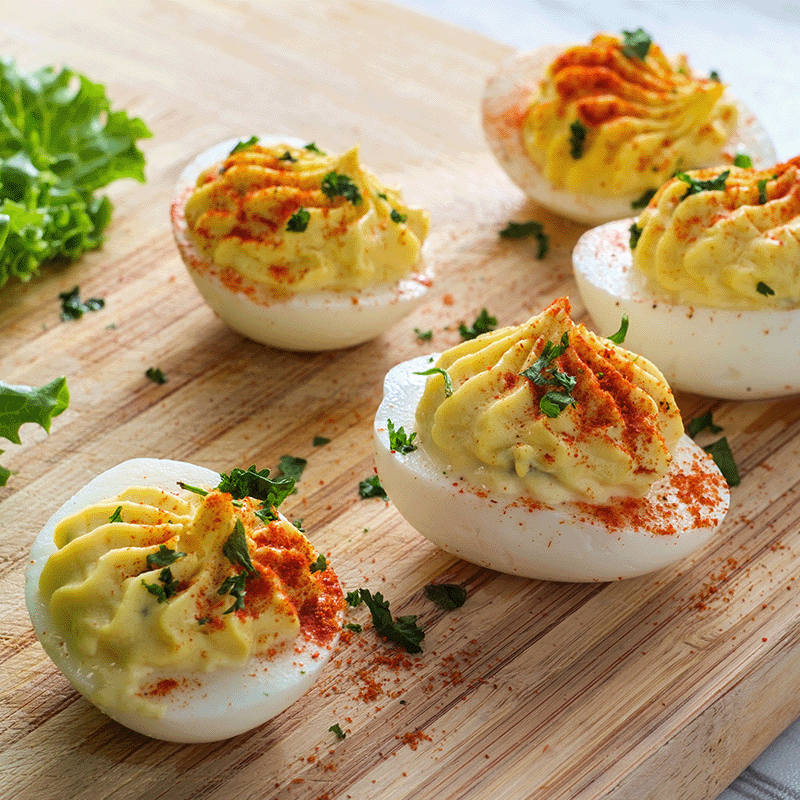
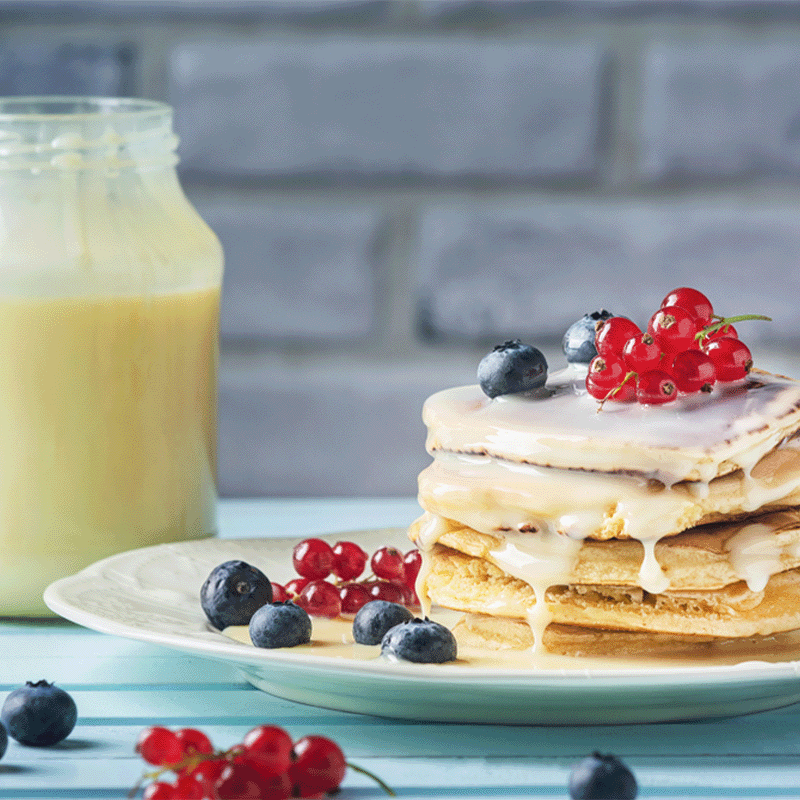
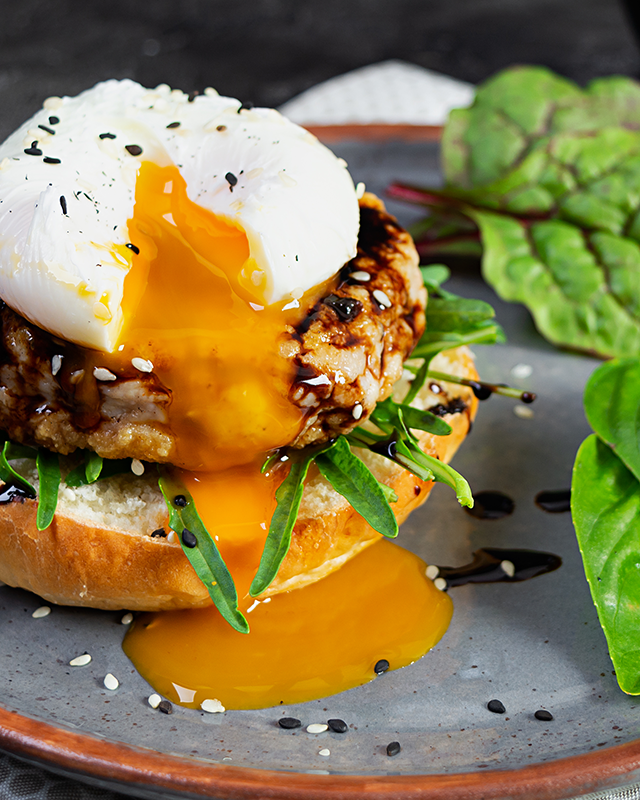
Eggs & Brunch: Kalua Benedict | Lomi salmon eggs Benedict | Kalua pork hash | Taro waffle with Portuguese sausage
Sides: Coconut milk mashed sweet potato | Okinawan purple sweet potato gratin | Sautéed bok choy with garlic and ginger | Shoyu-glazed spring carrots
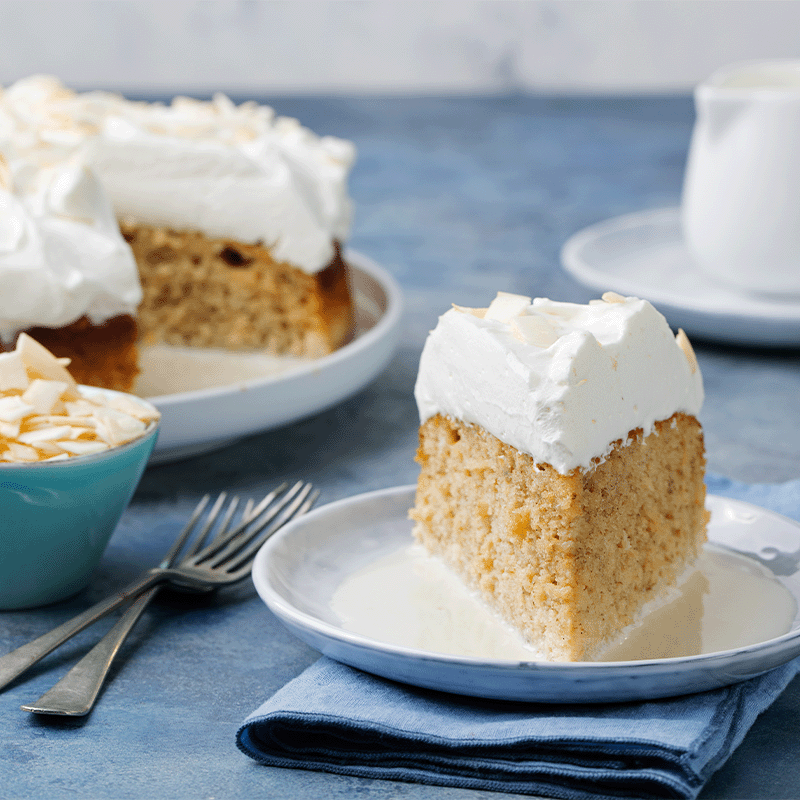
Desserts: Lilikoi carrot cake | Coconut haupia with Easter berry compote | Matcha tres leches | Ube malasadas
A Few Execution Notes
Plan for all dayparts — lunch and dinner are actually the most popular Easter restaurant meals, not just brunch. If you’re only staffed up for a morning rush, you may be leaving revenue on the table.
Get your reservation push out now. Hawaiʻi Easter brunches fill up weeks in advance, and guests who can’t get a table at your place will find one somewhere else.
Build in a tiered menu if you can. Right now, consumers are polarized — some are spending freely; others are watching every dollar. The restaurants winning in 2026 aren’t the ones dropping prices across the board; they’re the ones offering clear value at multiple price points. Think of a two-course Easter brunch option alongside your full prix fixe, or a la carte proteins next to a premium family-style package. More than 7 in 10 consumers say they’d dine out more often if they had more disposable income — which means the desire is there; the barrier is price. Give people a way in and you keep them in your dining room instead of losing them to the grocery store.
Ready to Build Your Easter Menu?
Easter 2026 is April 5th — there’s still time to plan well, but not time to wait. Y. Hata carries the center-of-plate proteins, specialty ingredients, and hard-to-source items you need to put together a menu that works for your guests and your margins. Reach out to your account manager or visit yhata.com to get started.
Call your account manager today.